Table Of Content
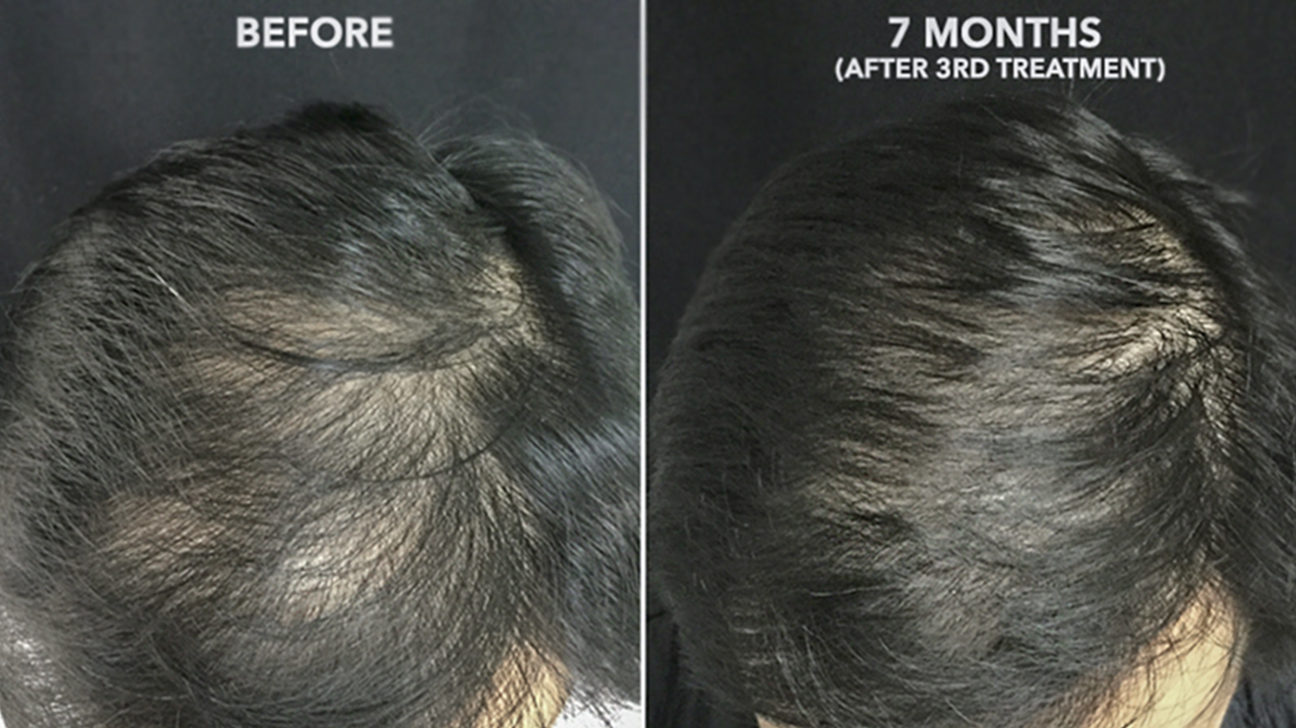
Researchers have produced PRP by isolating plasma from blood and concentrating it. Athletes have been known to use these injections to help heal injuries. Injecting PRP involves using a person’s own platelets, which is why people receiving this treatment do not usually have any adverse reactions to the injections.
Hair Loss Got You Down? Platelet-Rich Plasma May Regrow It
Like we said, it's important to keep in mind that PRP can, and should, be a part of a multifaceted program to treat hair thinning and loss. Your dermatologist may prescribe you spironolactone or finasteride to help promote hair regrowth as well if you are post-menopausal, says Zeichner. By now you're probably familiar with, or at least have heard of the "vampire facial," a skin treatment that essentially uses your own blood to help facilitate a glowing, youthful complexion. What you probably haven't heard of is that there's a similar treatment for hair loss, and yes, it requires your blood, too.
Side effects
However, these recommendations are more related to the injury and less to the PRP injections. Most people can continue their daily activities following PRP injections. Other times, a local anesthetic is mixed with the PRP to reduce any discomfort. In this instance, preparation for PRP injections would involve following your surgeon’s recommendations before surgery. Plasma is a component of your blood that contains special “factors,” or proteins, that help your blood to clot. Platelet-rich plasma (PRP) is a substance that’s thought to promote healing when injected.
The Guy's Guide to Getting a Spa Facial
Medi Tresse Westchester Treats Female Hair Loss in Scarsdale - Westchester Magazine
Medi Tresse Westchester Treats Female Hair Loss in Scarsdale.
Posted: Tue, 23 May 2023 07:00:00 GMT [source]
26.7% of patients reported feeling their hair growing and seeing positive results, but only 13.3% had visible improvements in hair thickness and hair loss rate. Once that’s done, PRP derived from your blood in the centrifuge will be drawn into a syringe and injected into your scalp, where there is hair loss. And in the last two decades or so, we’ve started seeing this treatment be studied and widely used in dermatology and derma cosmetics to help with tissue and scar healing and of course, hair loss.
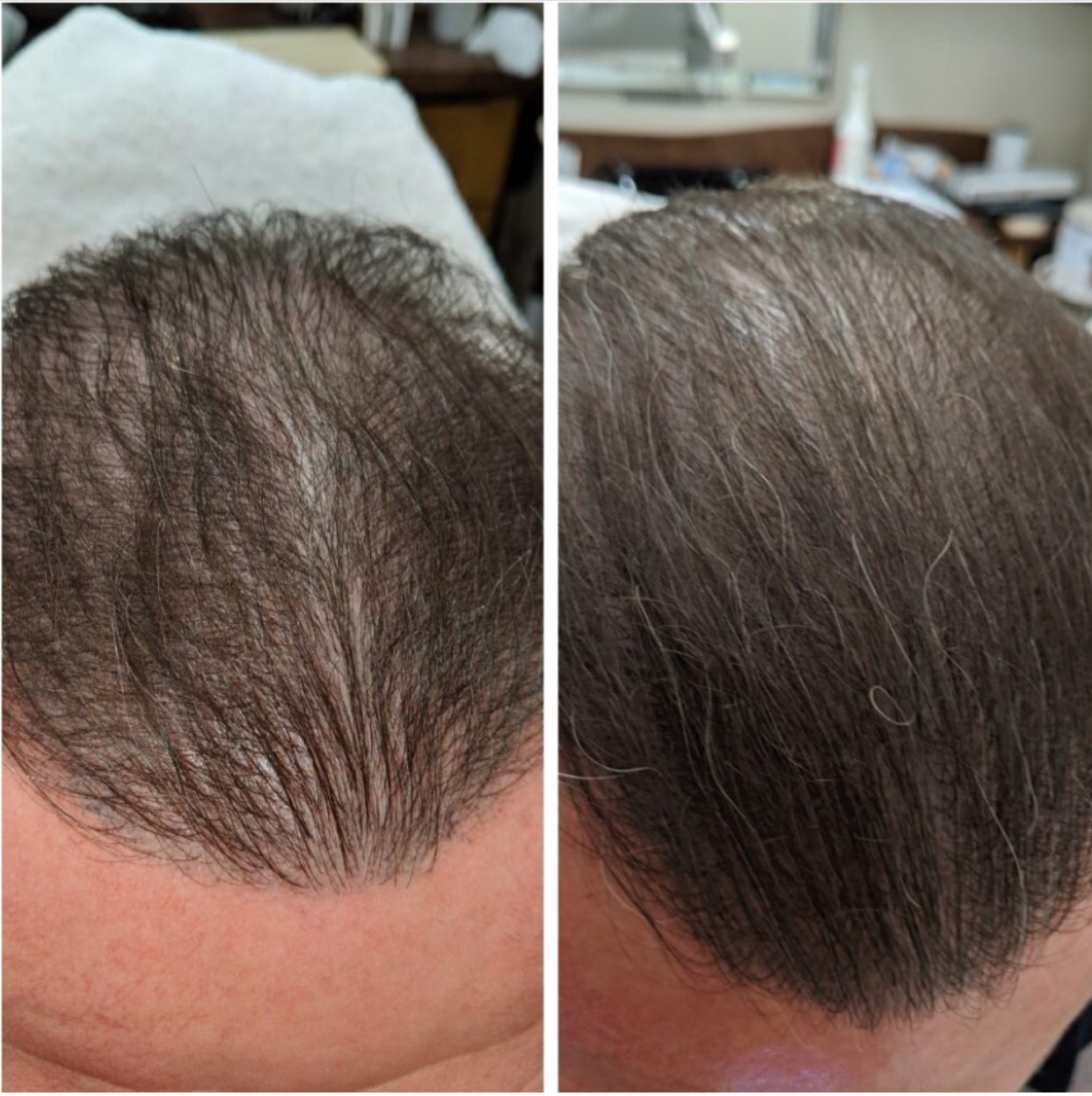
Will Popular Hair-Loss Products Help My Alopecia?
While various treatments are available, Platelet-Rich Plasma (PRP) therapy has emerged as a promising solution. As a practitioner offering PRP treatments for over a decade, I have seen many successes and many failures. It is frustrating that no protocol standardization exists, and none is likely to exist in the future. The cost of properly studying all the variables is prohibitive, and we are thus left to arrive at our own best practices. In my practice, I have a cost-centric approach, meaning if I can effectively treat a patient’s hair loss for $10 per month, which is possible with minoxidil and finasteride, then I do so. For patients that do not respond to those treatments, I then offer PRP and other more expensive modalities, and that often takes place 6 to 12 months after our first visit.
PRP for Hair Loss
Most PRP therapies consist of 3 initial sessions 4 weeks apart; after that, you’ll need another session every 5-6 months to maintain your results. So, on average, you’ll undergo 4 sessions in your first year and 2 sessions/year after that. You see, with a PRP injection, your scalp is provided with resources that will only last a certain amount of time, and once that time’s up, your scalp condition slowly decays back. After the injections, you will stay still for a few minutes before you can leave the clinic, and then, you’re done. In the injection stage, two separate injections are made into your scalp. But the PRP treatment, which is widely used and recommended by dermatologists, is one of the few exceptions.
Top 10 hair loss treatments for men - Firstpost
Top 10 hair loss treatments for men.
Posted: Thu, 28 Mar 2024 15:52:00 GMT [source]
Does PRP work for hair loss?
According to a 2021 study, higher platelet concentrations in PRP have a more pronounced effect on hair density, hair follicle diameter, and terminal hair density. Your blood is also made up of platelets, white cells, and red blood cells. Platelets are known to contain numerous development factors, which some accept could assist with developing hair back and even produce new hair follicles.
Some small, limited studies have found that certain supplements and shampoos could be helpful, dermatologists say. However, your best bet if you’re suffering from hair loss is to see a board-certified dermatologist who can determine what’s causing your alopecia and then recommend a treatment plan. A variety of treatments have been developed to help regrow hair and thicken existing hair on patients with alopecia, dermatologists say.
Minimal downtime, if any, is needed, while Zeichner adds, "I personally recommend a warm shower, as the hot temperature will enhance blood flow and circulation throughout the scalp," he says. This means going a day (or two) without your typical hair maintenance (coloring, processing, blow-drying, etc.). Co-hosts Michelle Lee and Jenny Bailly called upon a dermatologist and trichologist (don't worry, they'll explain) to talk all things scalp, including hair loss. They had five 2-week-apart PRP injections but did not show any statistically significant increase in hair count when examined 3-months after the last injection. 6 months following the first injection, two evaluators using macro photography compared the scalp condition to the base condition before the first injection. Both evaluators found overwhelming improvement following the treatment.
Researchers theorized that if they could extract concentrated platelets and inject them into damaged areas of the body, they could accelerate healing. To understand how PRP works, it is important to be aware of the role that platelets play in healing. Alopecia areata is an autoimmune disease that causes hair to fall out in nickel- or quarter-size patches. Most people can resume their normal activities almost immediately after having a PRP injection. Doctors may use PRP to reduce inflammation in people with OA and rheumatoid arthritis. This article will use the terms “male,” “female,” or both to refer to sex assigned at birth.
Platelet-rich plasma (PRP) therapy is a controversial treatment that is becoming increasingly popular in sports science and dermatology. The cost of PRP therapy varies depending on location, facilities, and other factors. Your Dermatologist may recommend periodic maintenance sessions to sustain the results of PRP treatment. The frequency of these sessions will depend on your individual response to treatment.
Staying updated about the latest developments in this field can assist individuals in making informed decisions about their hair loss treatment. After that time, most of her patients – both male and female – have regrown 30% to 40% of the hair they’ve lost. Other treatments for hair loss currently on the market are often more problematic for many patients, Dr. Khetarpal says. However, an emerging treatment — platelet-rich plasma (PRP) therapy — appears to help regrow lost hair. And, there are virtually no side effects from PRP, except for a mild feeling of pressure at the injection site, says dermatologist Shilpi Khetarpal, MD. PRP for hair loss is generally safe, as it uses the patient's own blood products and injects them back into the same person.
PRP is an autologous preparation of plasma with a high concentration of platelets. It is relatively safe intervention with minimal adverse effects, including temporary and tolerable pain during treatment, mild headache, minimal itching, transient erythema and edema on treated area. Doctors began using PRP in dermatology after researchers found that high concentrations of platelets in plasma cells help promote hair growth by prolonging the growing phase of the hair cycle. During the treatment, a technician draws your blood and spins it in a centrifuge to separate out the platelets and plasma.
Certain changes to the diet and daily routine may help promote hair growth or prevent hair loss. To produce PRP, a medical professional will take a blood sample and put it into a machine called a centrifuge. This machine spins at a rapid rate, which separates the components of the blood.
In the case of PRP injections, this fluid is the blood that was drawn from you just a minute ago. Check with your insurance provider to determine if your plan covers PRP sessions. Without insurance coverage, you will pay out of pocket for PRP therapy.


No comments:
Post a Comment